
Blog
GPU VPS Server Guide for AI and Machine Learning
AI and machine learning need strong computer power. A normal VPS may work for small tasks, but large AI models can be slow on a CPU-only server. This is where a GPU VPS server can help. A GPU can handle many calculations at the same time. This makes it useful for AI…
How to Get Cheap Website Hosting Without Losing Reliability
Starting a website does not have to be expensive. Many website owners choose Cheap website hosting to save money each month. But the cheapest option is not always the best. A very low-cost host may come with slow speeds, poor support, weak security, or frequent…
Why Choose Affordable Canadian Web Hosting Without Compromising Performance
Choosing the right web host can feel hard when you have a small budget. You want Cheap website hosting, but you also need good speed, security, uptime, and support. The good news is that affordable hosting can still offer strong performance when you know what to check…
How to Choose Cheap Website Hosting That Can Scale
Starting a website does not have to cost a lot. Many small businesses, bloggers, and new online stores look for cheap website hosting to keep their first-year costs low. That makes sense, but the cheapest plan is not always the best choice. A hosting plan should work…
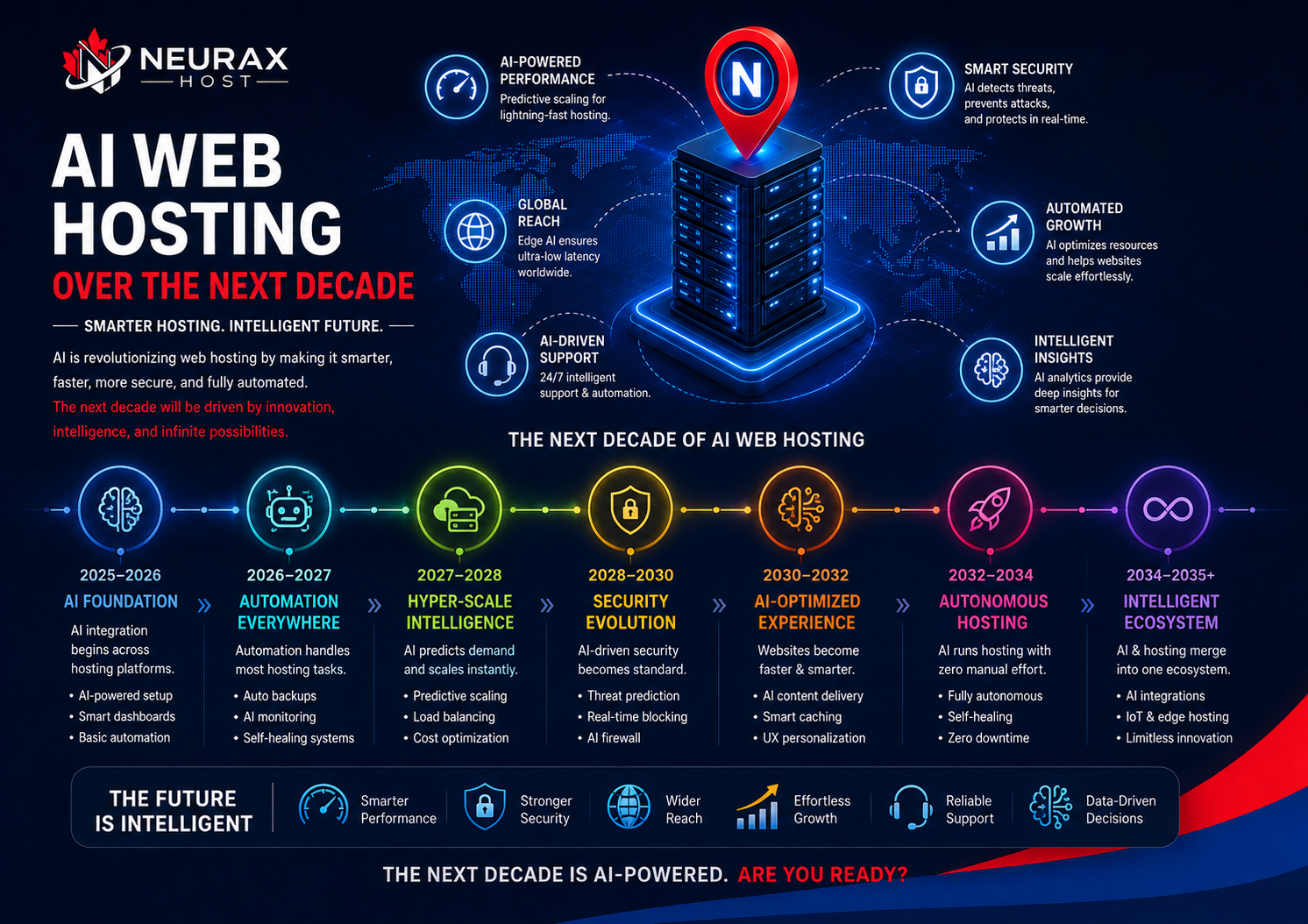
What Changes Can We Expect in AI Web Hosting Over the Next Decade?
Web hosting is changing as websites become smarter and more demanding. Today, many businesses use AI for chatbots, smart search, content creation, customer support, recommendations, and data analysis. These tools need more than basic server space. They may need more…
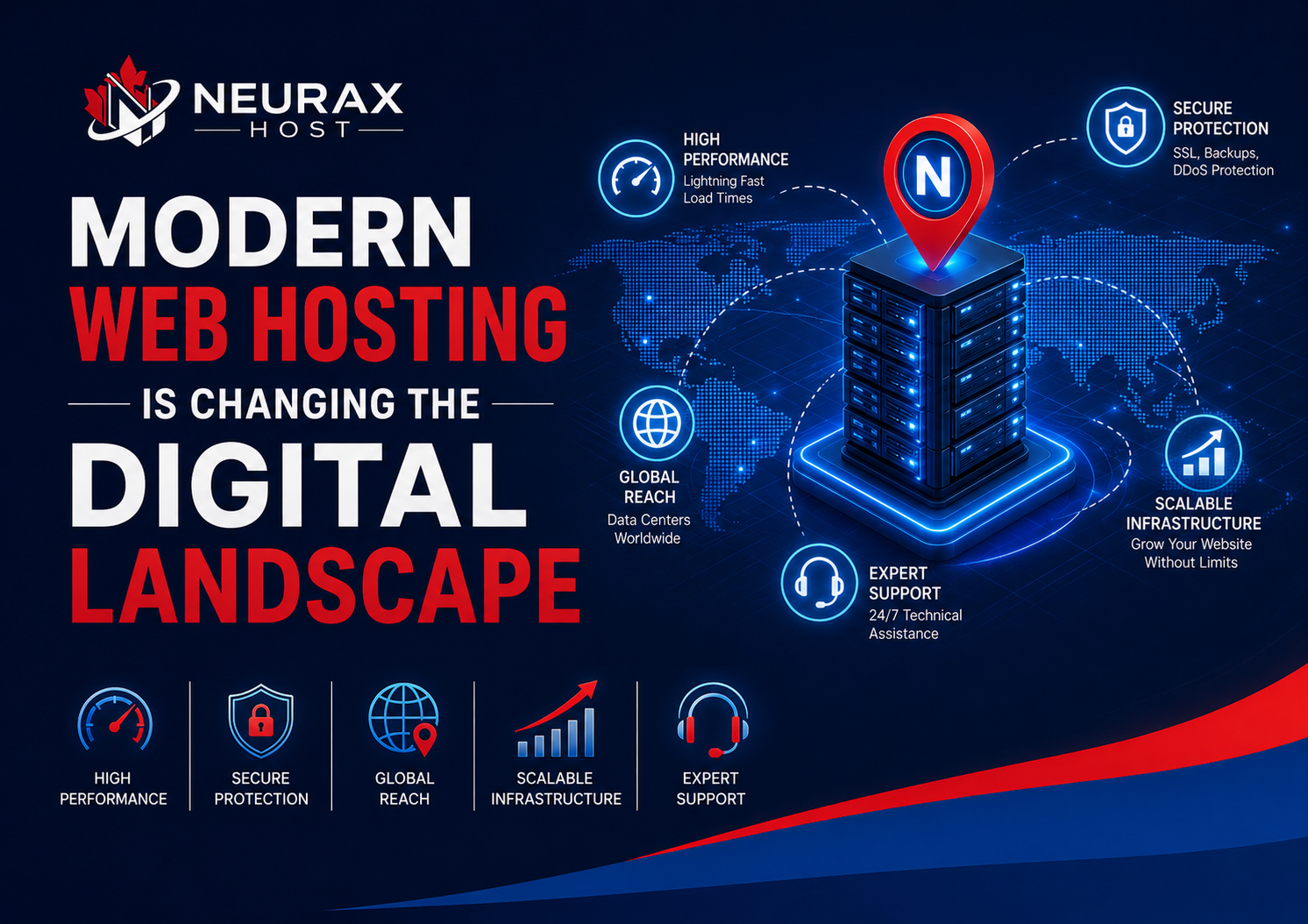
How Modern Web Hosting Is Changing the Digital Landscape
Modern websites need more than basic server space. They need to load fast, stay online, handle visitors, and keep important data safe. A website can now be a complete business tool. It can help people shop, book a service, send a request, make a payment, or contact a…
How to Choose a Domain Name and Hosting for Your First Website
Starting your first website can feel confusing. There are several new terms to understand, including domain name, web hosting, SSL, and server. You may also have questions like, “What domain name should I choose?” or “Which hosting plan is right for my website?” You…
How to Keep Your Domain and Hosting Costs Under Control
Running a website comes with regular costs. Two of the most common are your domain name and web hosting. At first, these costs may seem small. But over time, add-ons, renewals, upgrades, and unused services can make your website much more expensive.The good news is…

How AI and Data Centers Are Shaping the Future of Web Hosting
Web Hosting is changing as websites need more speed, security, and power. AI is now helping hosting teams manage servers, spot problems, and use resources better. At the same time, modern data centers are using faster hardware, better networks, and smarter cooling…
Domain Hosting Trends to Watch for in 2026
Domain hosting is changing fast in 2026. A website now needs more than storage and a domain name. Speed, DNS security, IPv6, AI tools, data center location, and better server technology all matter. At the same time, website owners face more attacks, higher traffic,…
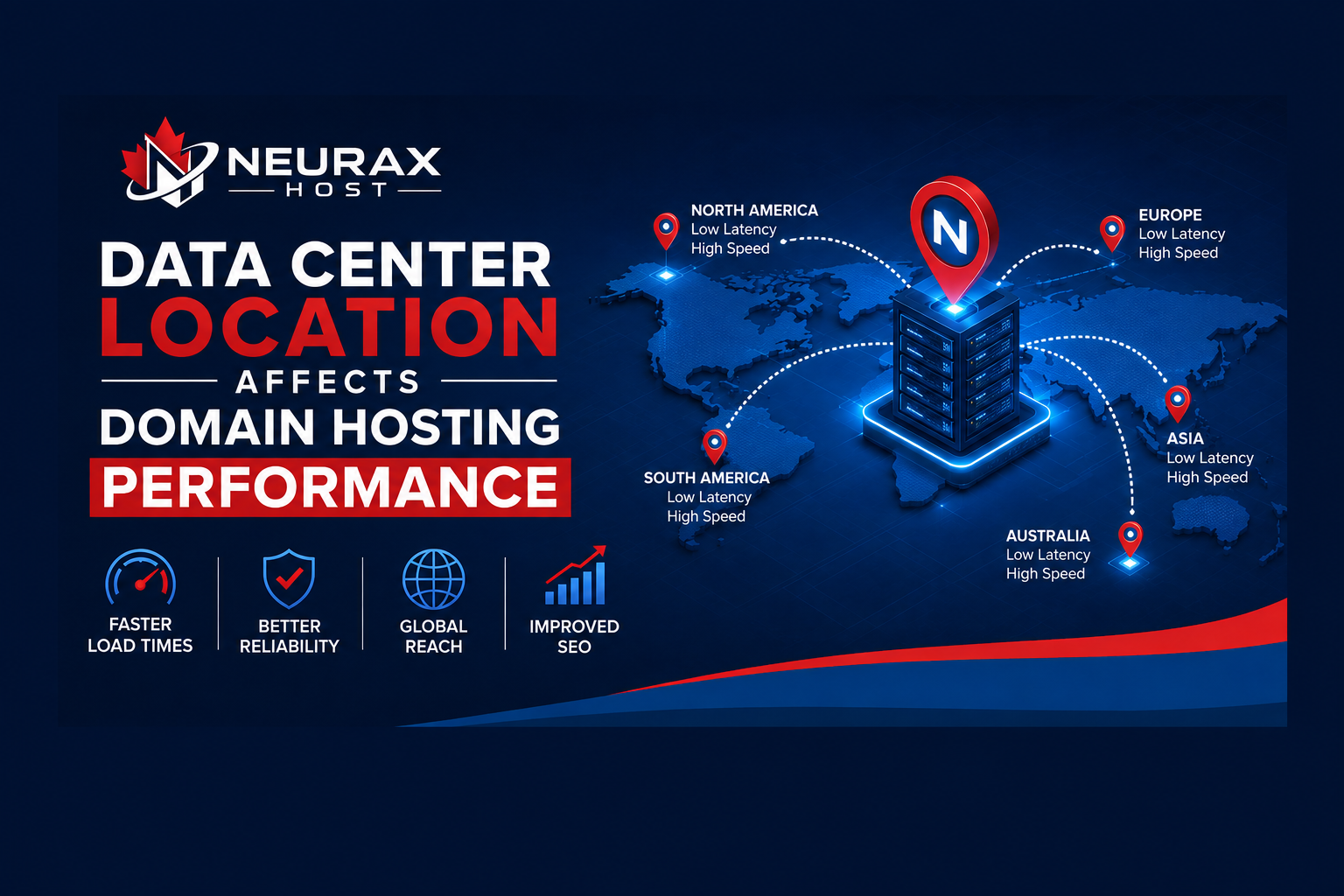
How Data Center Location Affects Domain Hosting Performance
When you buy domain hosting, you may focus on price, storage, uptime, and support. However, data center location can also affect how quickly your website responds to visitors. A server that is closer to your main audience can often reduce network delay and improve the…
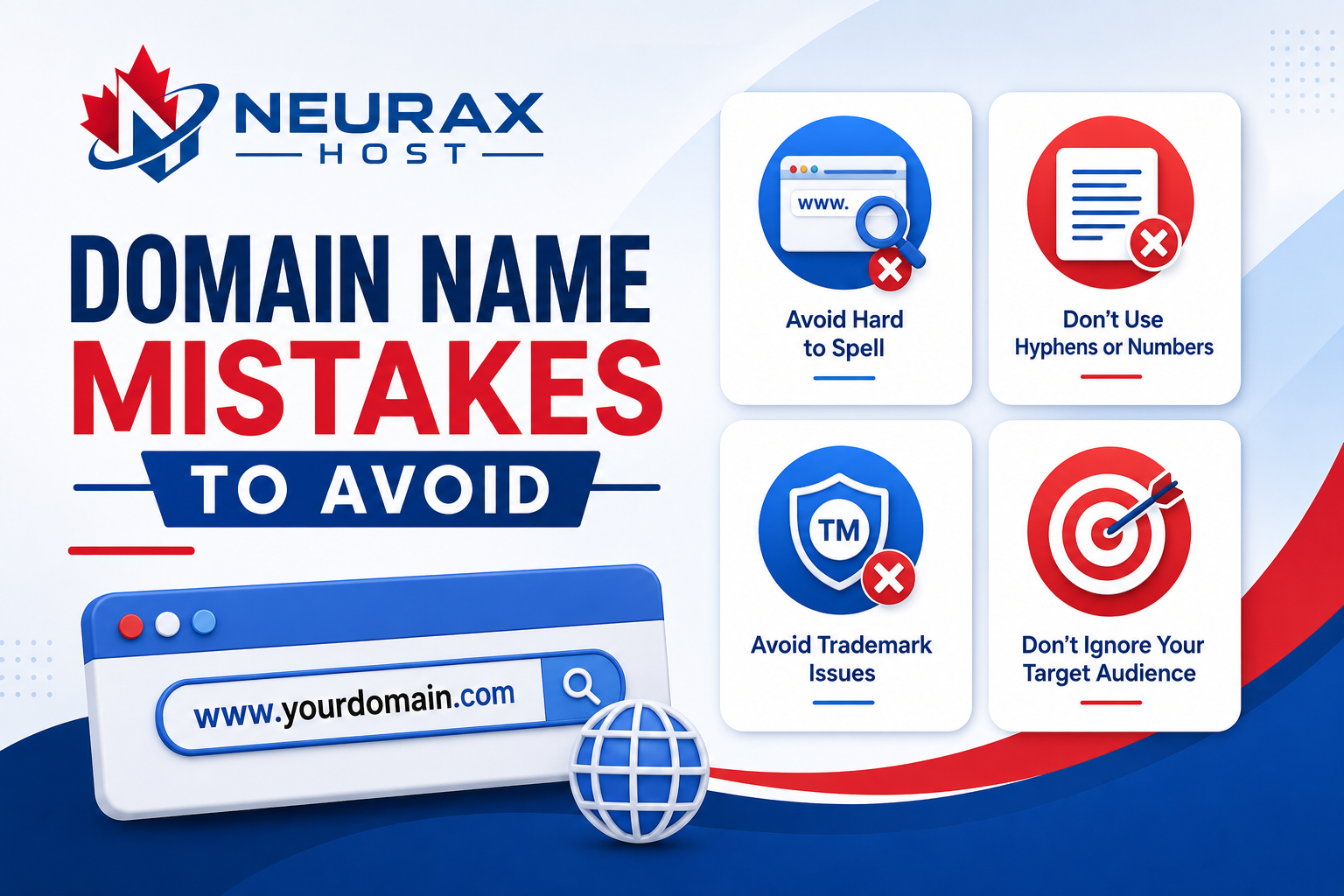
Domain Name Mistakes to Avoid Before Registering Your Website
Choosing a domain name may look like a small task, but it can have a big effect on your website. Your domain is the address people use to find you online. Once you build your website, share it with customers, and print it on business materials, changing the domain…
Guide to Finding Your Perfect Domain Name
Starting a website can feel exciting. You may have a great business idea, a helpful blog, or an online store ready to go. But there is one small thing that can cause a big headache: choosing the right domain name. Your domain name is the web address people type to…
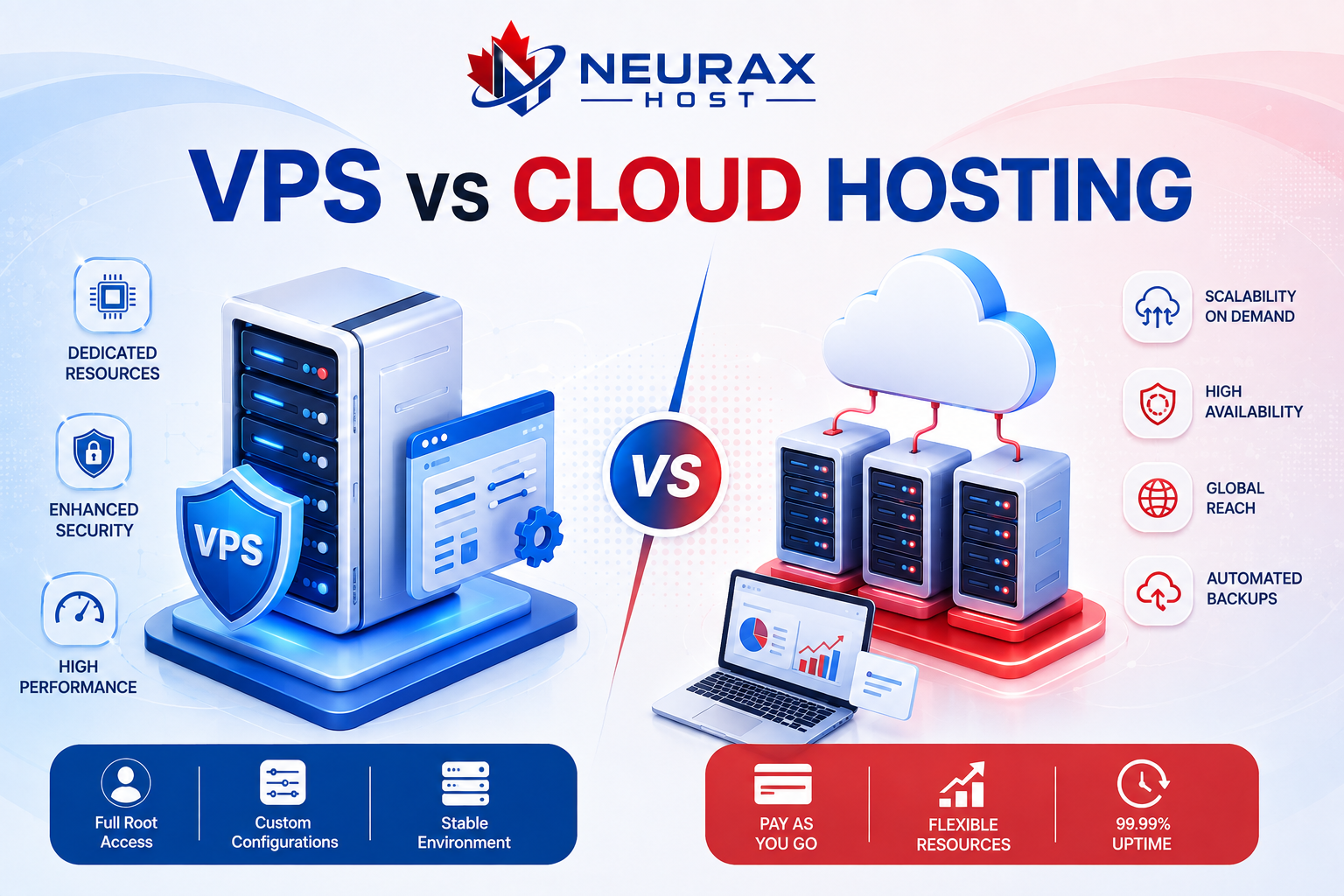
VPS vs Cloud Hosting: Which Should You Choose in 2026?
Picking the wrong hosting can slow your website down. It can also cost you money you did not need to spend. Two of the most popular choices today are VPS hosting and cloud hosting. They sound similar, but they work in very different ways. This guide breaks it down in…
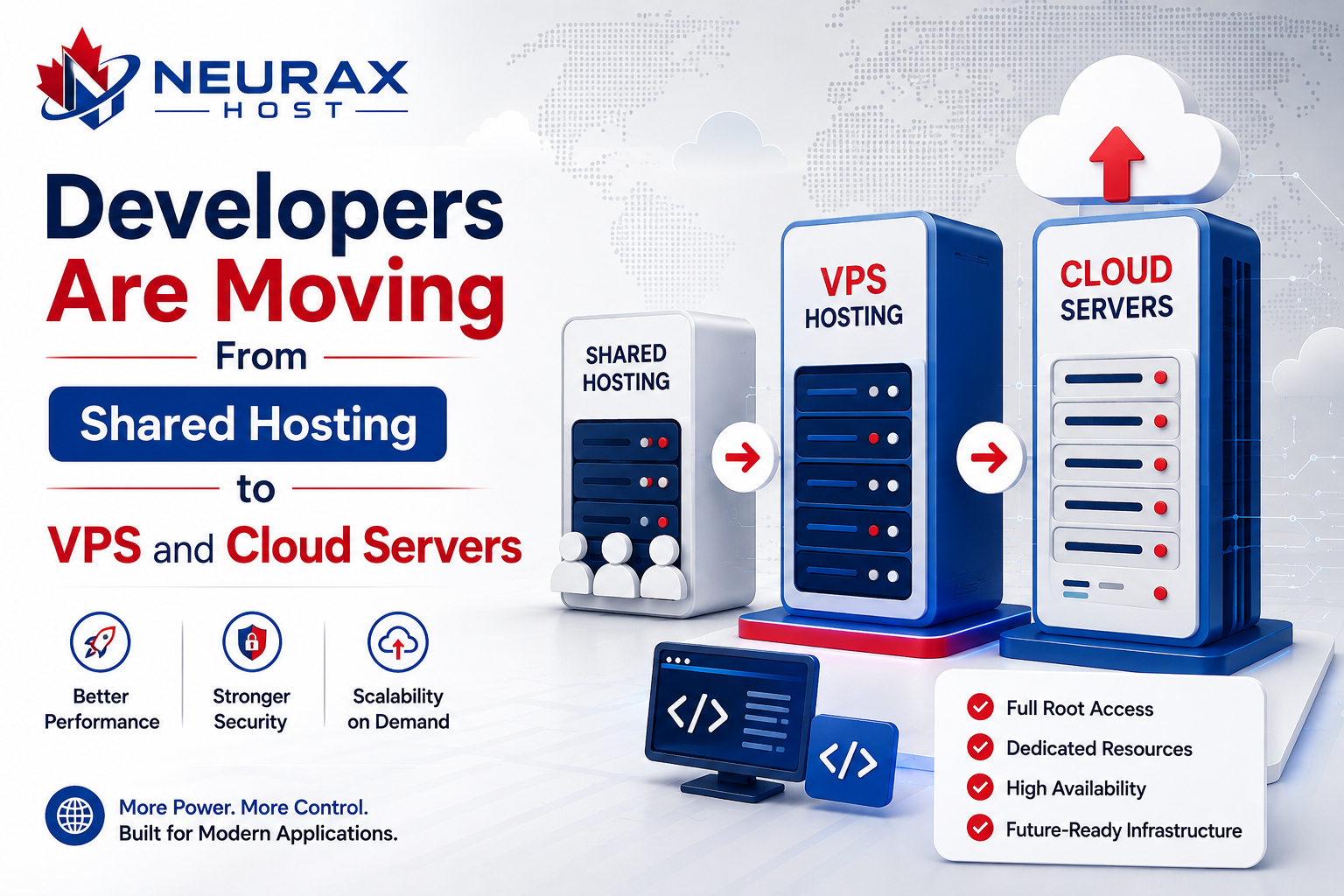
Why Developers Are Moving From Shared Hosting to VPS and Cloud Servers
Have you ever visited a website that loaded slowly? Maybe you clicked away before it even opened. This happens a lot on shared hosting. That is why so many developers today are switching to VPS hosting and cloud servers. In this article, we will explain the problem in…
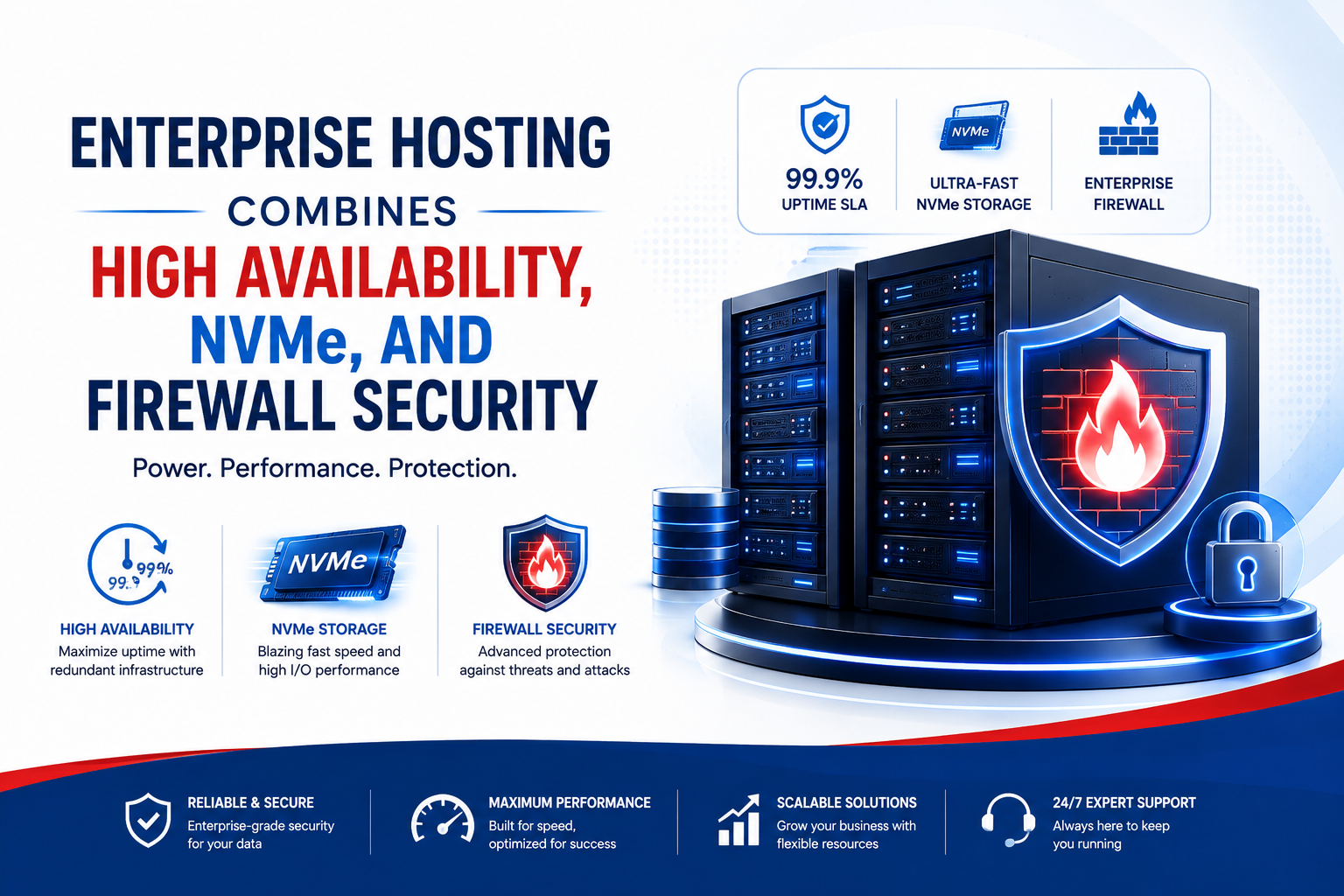
How Enterprise Hosting Combines High Availability, NVMe, and Firewall Security
For an enterprise website or business application, basic hosting is often not enough. Large websites, SaaS platforms, online stores, financial applications, and customer portals need more than server space. They need stable performance, strong security, and the…
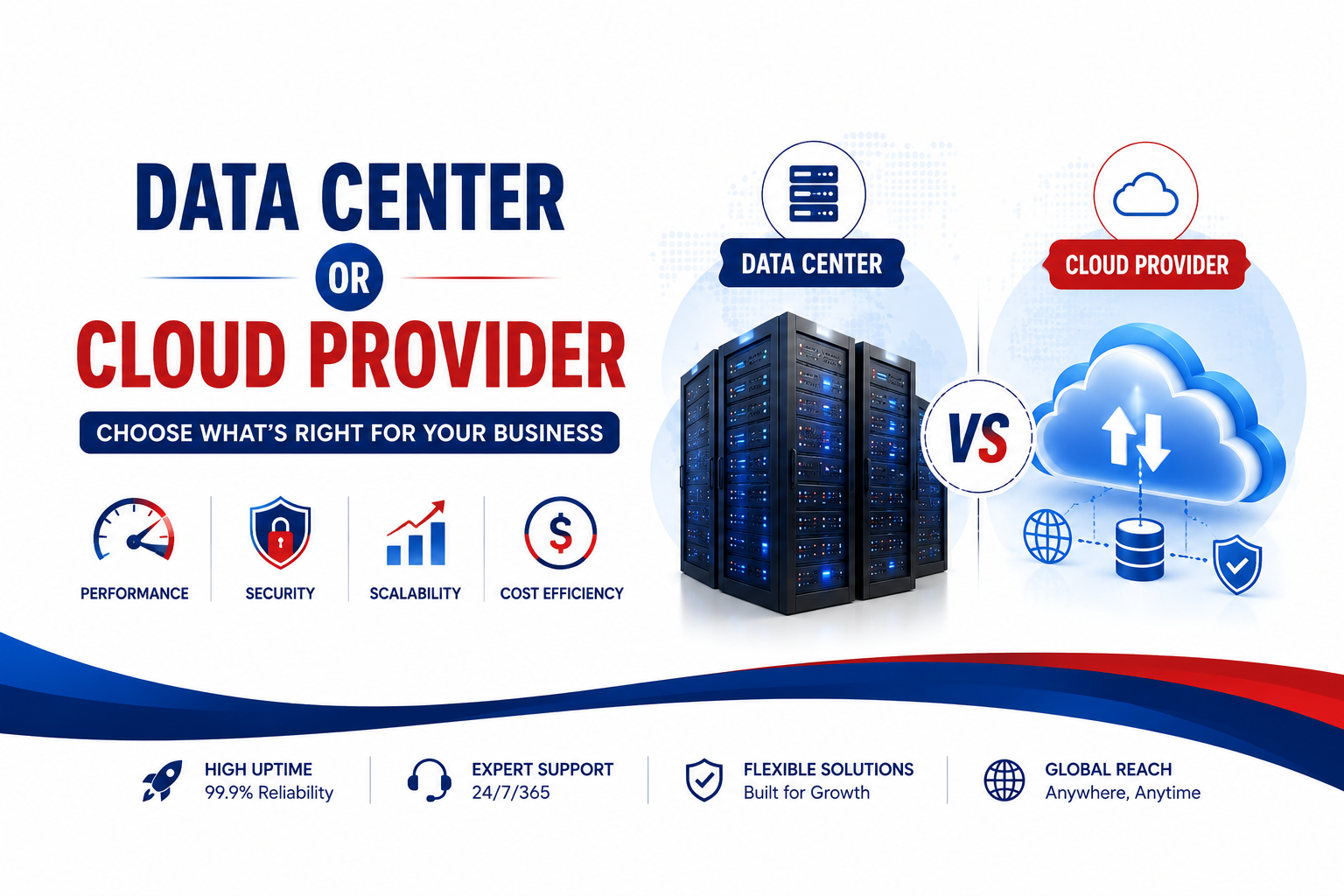
Data Center or Cloud Provider? How to Choose the Best Option for Your Business
Choosing the right infrastructure is an important decision for any business that depends on websites, applications, databases, or online services. Two common choices are a traditional data center and a cloud provider. Both can deliver reliable computing resources, but…

How to Choose the Right Data Center or Hosting Provider: 10 Factors That Matter
Choosing the right data center or hosting provider can feel hard, especially if you are not a technology expert. Your website, apps, files, and business systems need a safe and reliable home. A poor choice can lead to slow websites, downtime, security problems, and…
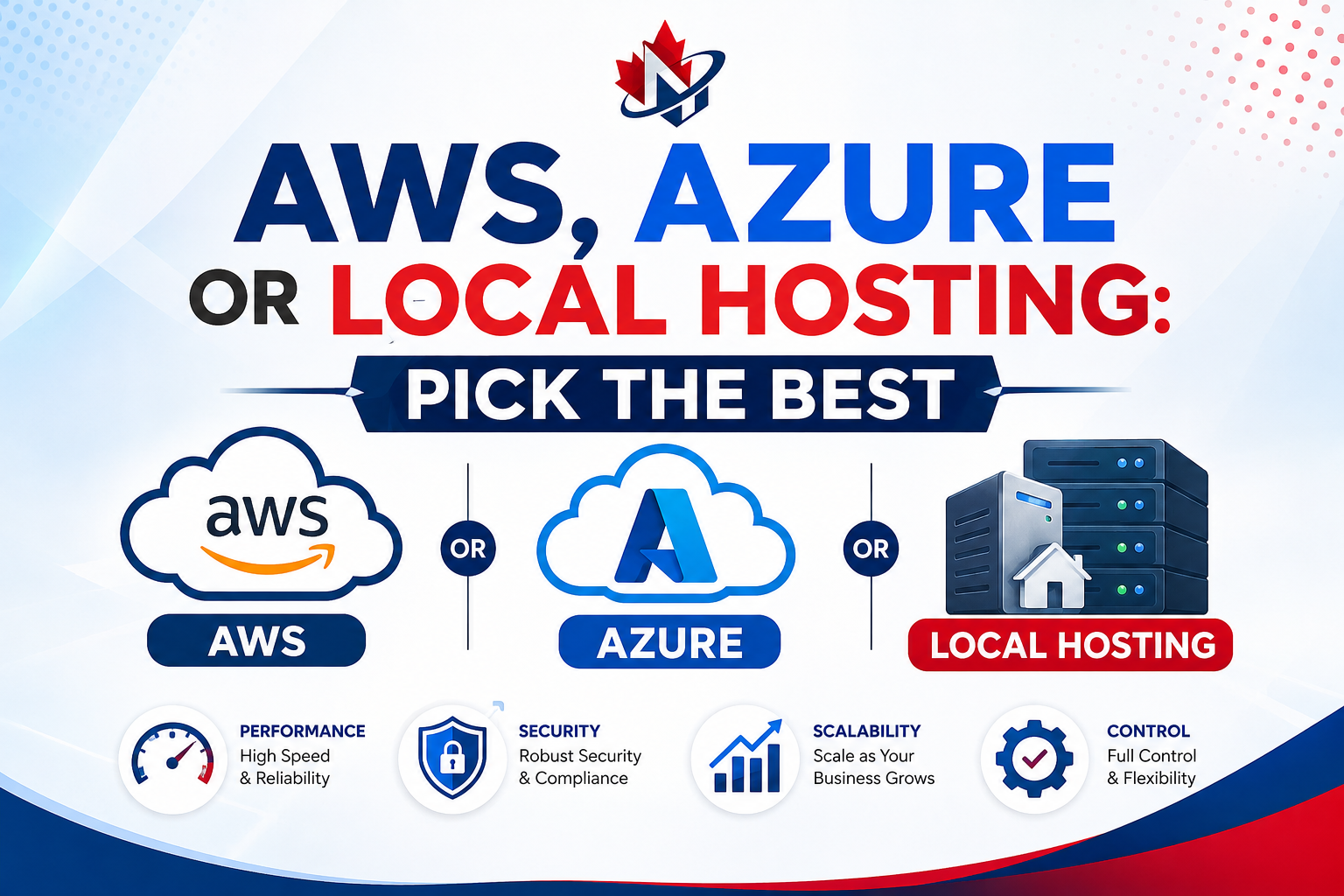
Is Local Web Hosting Better Than AWS or Azure?
Choosing web hosting can feel hard. You may hear about local web hosting, AWS, and Azure. But which one is better? The simple answer is: it depends on what you need. A small business may want a simple server that is easy to control. A large website may need cloud…
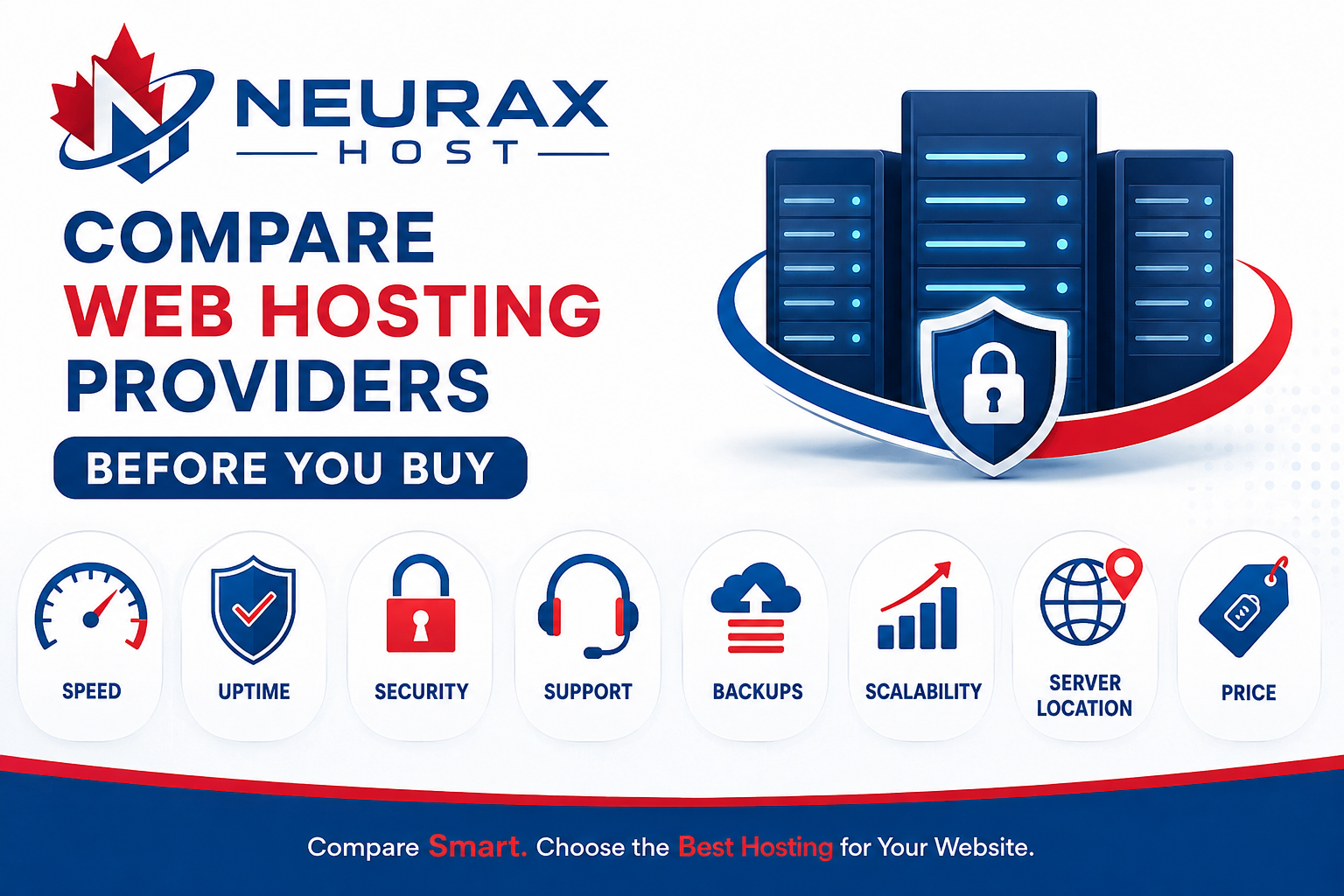
How to Compare Web Hosting Providers Before You Buy
Choosing web hosting can feel confusing. Many providers show low prices, free features, and big promises. But the cheapest plan is not always the best choice. Your hosting affects website speed, uptime, security, support, and future growth. Before you buy web hosting,…
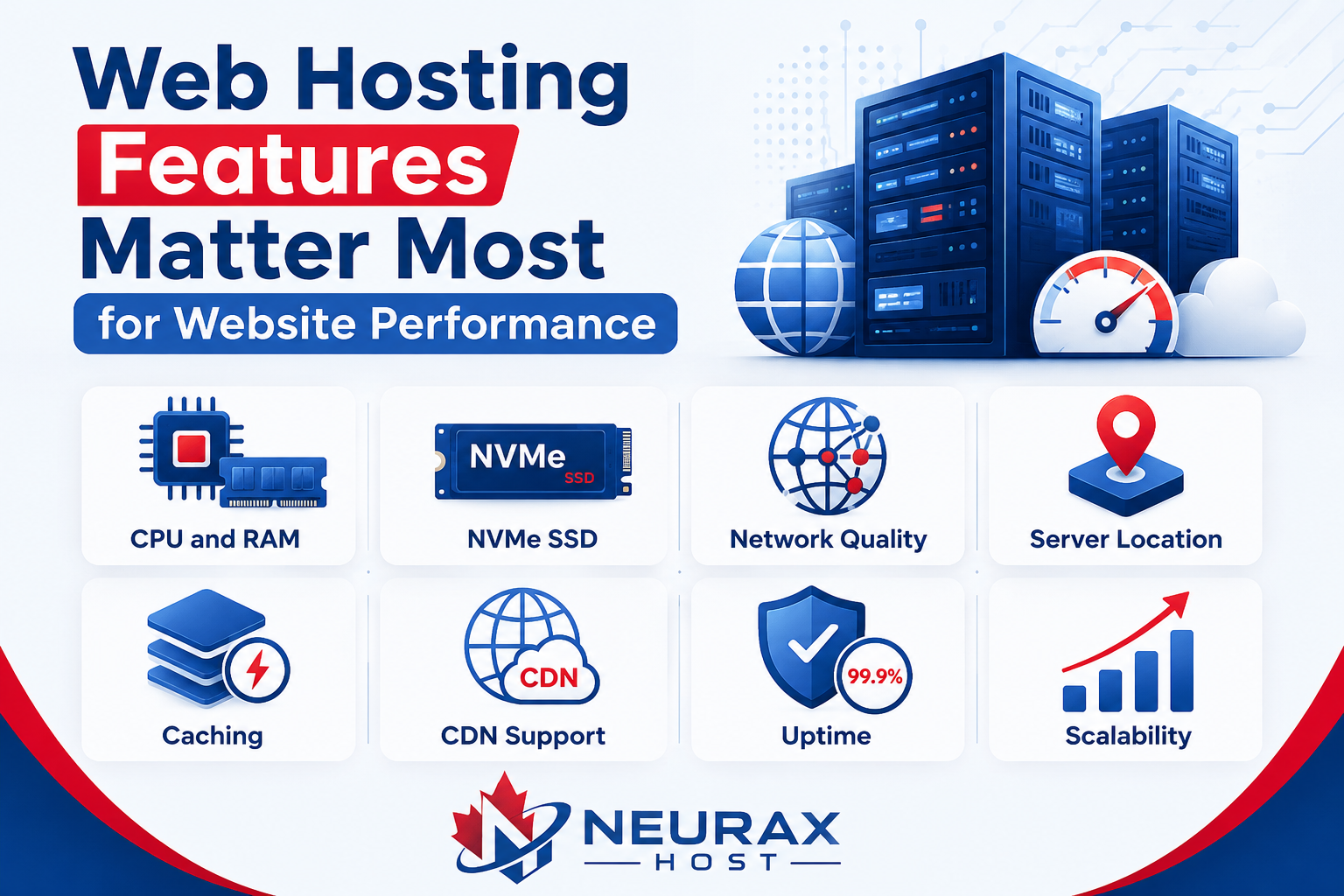
Which Web Hosting Features Matter Most for Website Performance
Website speed matters more than ever. A slow website can frustrate visitors, reduce engagement, and hurt online sales. In many cases, the problem is not only the website design or images. Web hosting can also have a major effect on how quickly a website loads. When…
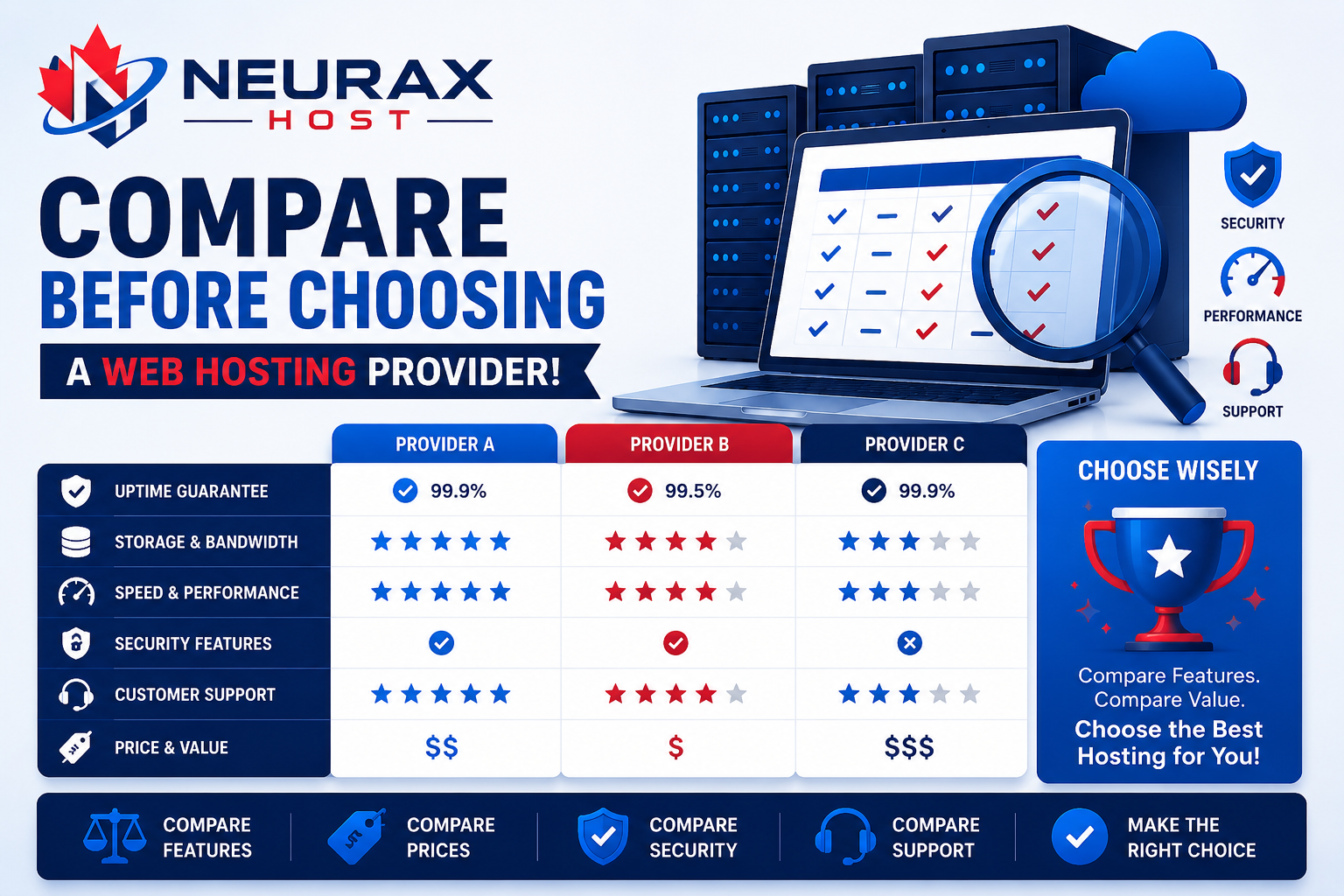
What Should You Compare Before Choosing a Web Hosting Provider?
Choosing a web hosting provider is one of the most important decisions for your website. Many people compare only the price and buy the cheapest plan. Later, they face slow loading speed, website downtime, security issues, or poor customer support. When these problems…
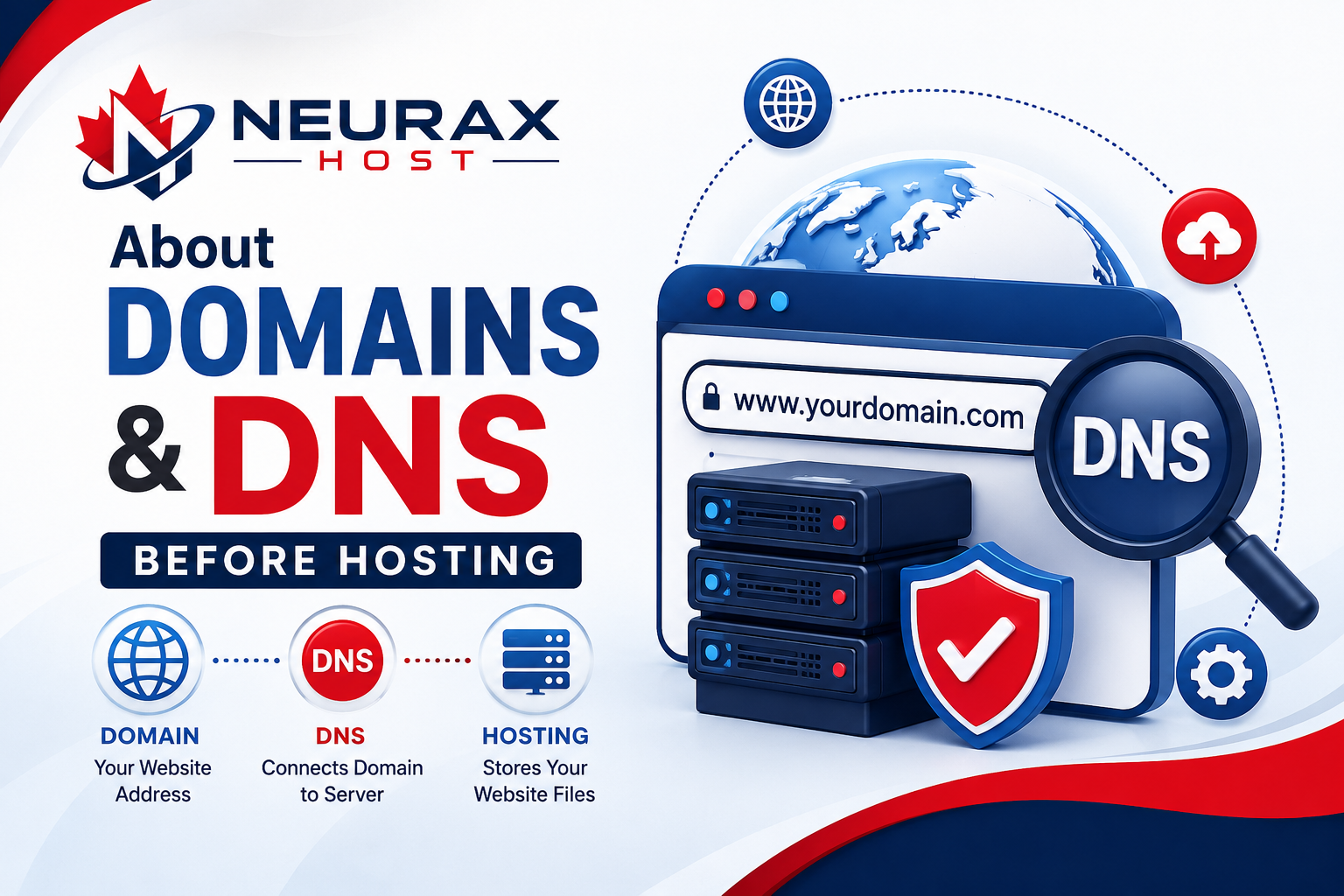
What Should Beginners Know About Domains and DNS Before Hosting?
If you are planning to launch your first website, two terms can feel confusing: domain and DNS. Many beginners buy a domain, purchase hosting, and then get stuck when the website does not open or emails stop working. The good news is that these concepts are much…
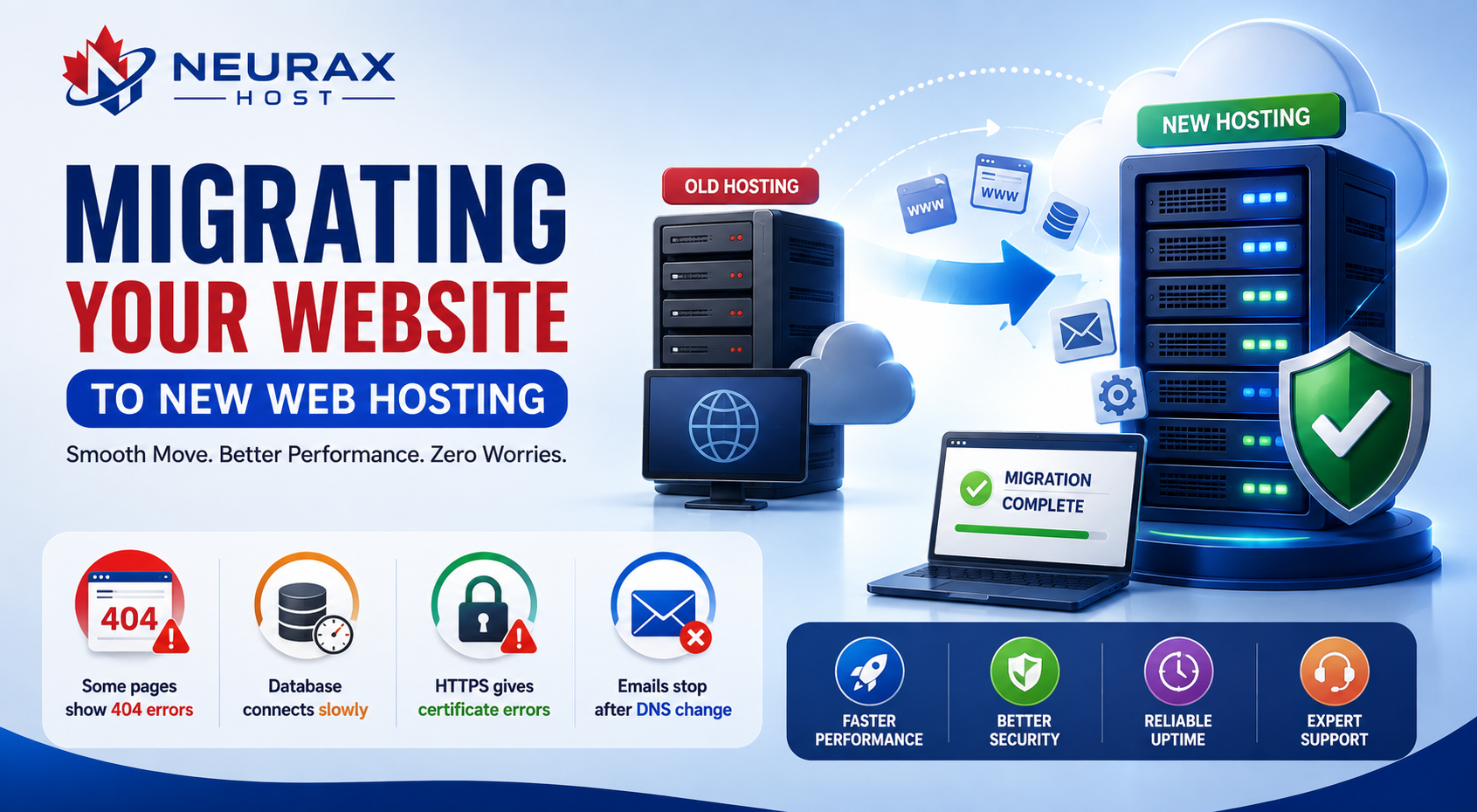
What to Check Before Migrating Your Website to New Web Hosting
Moving your website to a new web hosting provider can improve speed, security, uptime, and overall website performance. However, a hosting migration is not simply a matter of copying website files from one server to another. If important settings, databases, emails,…
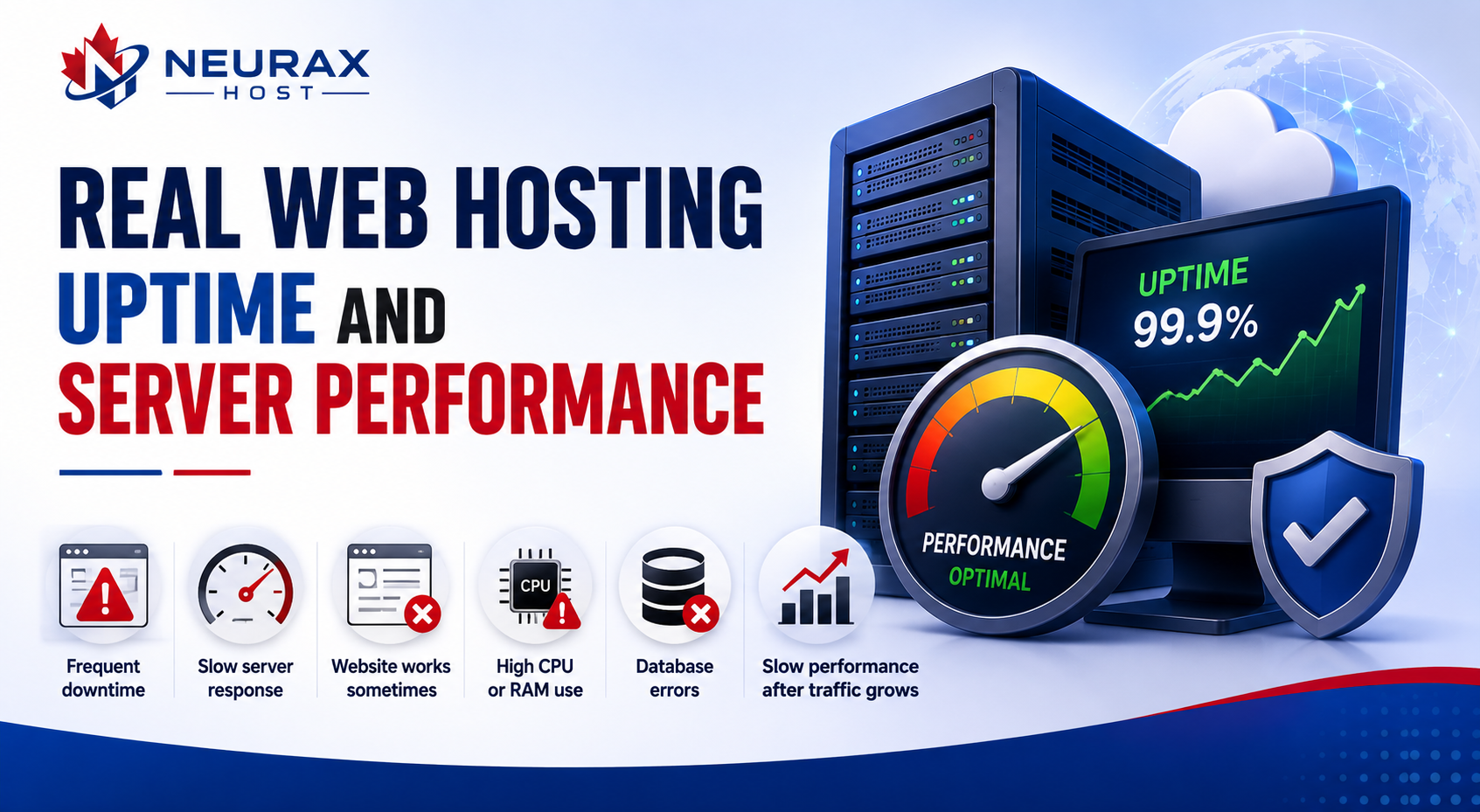
How to Check Real Web Hosting Uptime and Server Performance
When you choose web hosting, uptime and server performance should be near the top of your checklist. A hosting company may say it offers excellent uptime, fast servers, or reliable performance. But how can you know if those claims are true? The best way is to check…
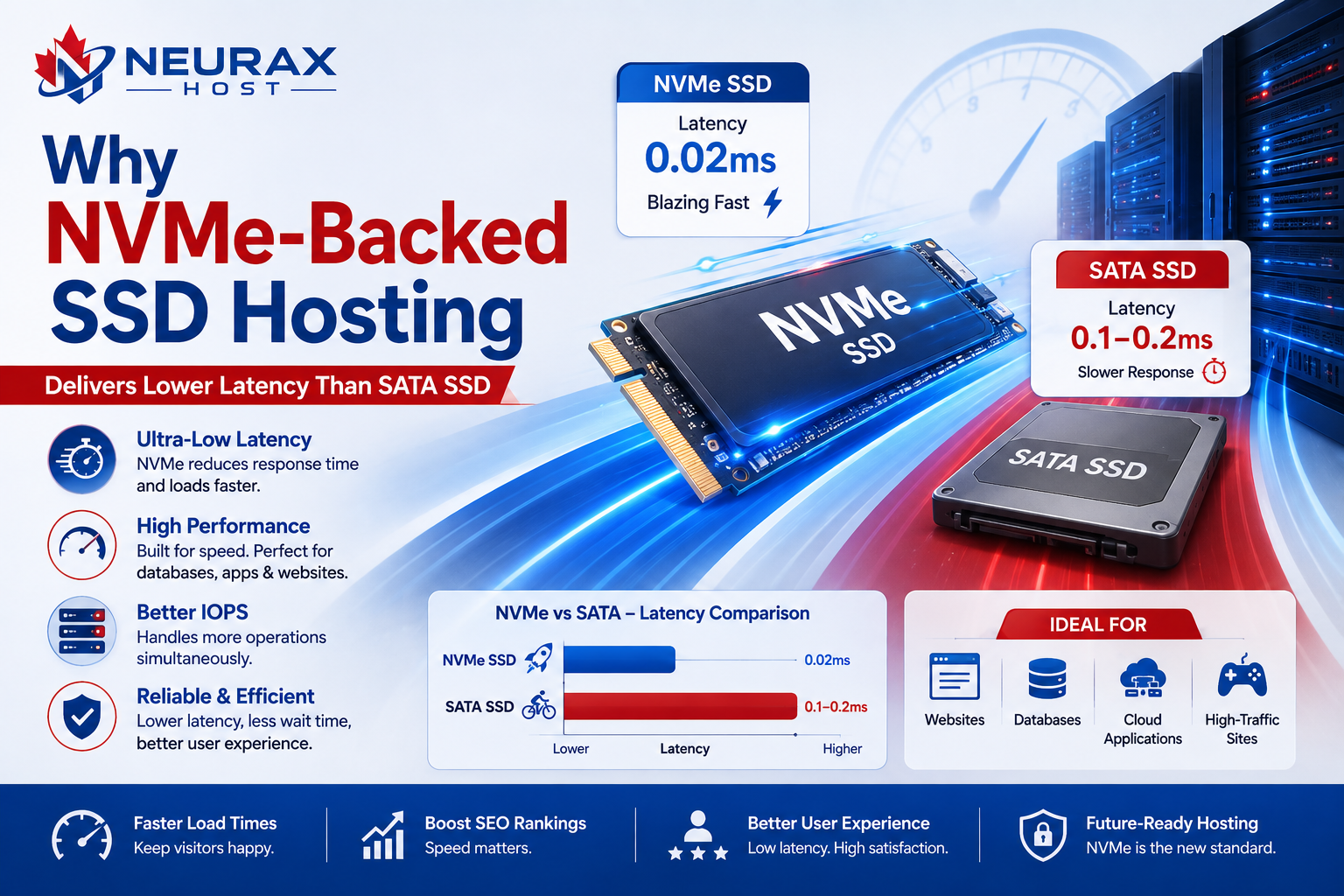
Why NVMe-Backed SSD Hosting Delivers Lower Latency Than SATA SSD
Website speed matters. When a visitor opens your website, every second counts. If pages load slowly, people may leave before reading your content or buying your product. Many website owners try to improve speed by using SSD hosting. However, not all SSDs are the same….
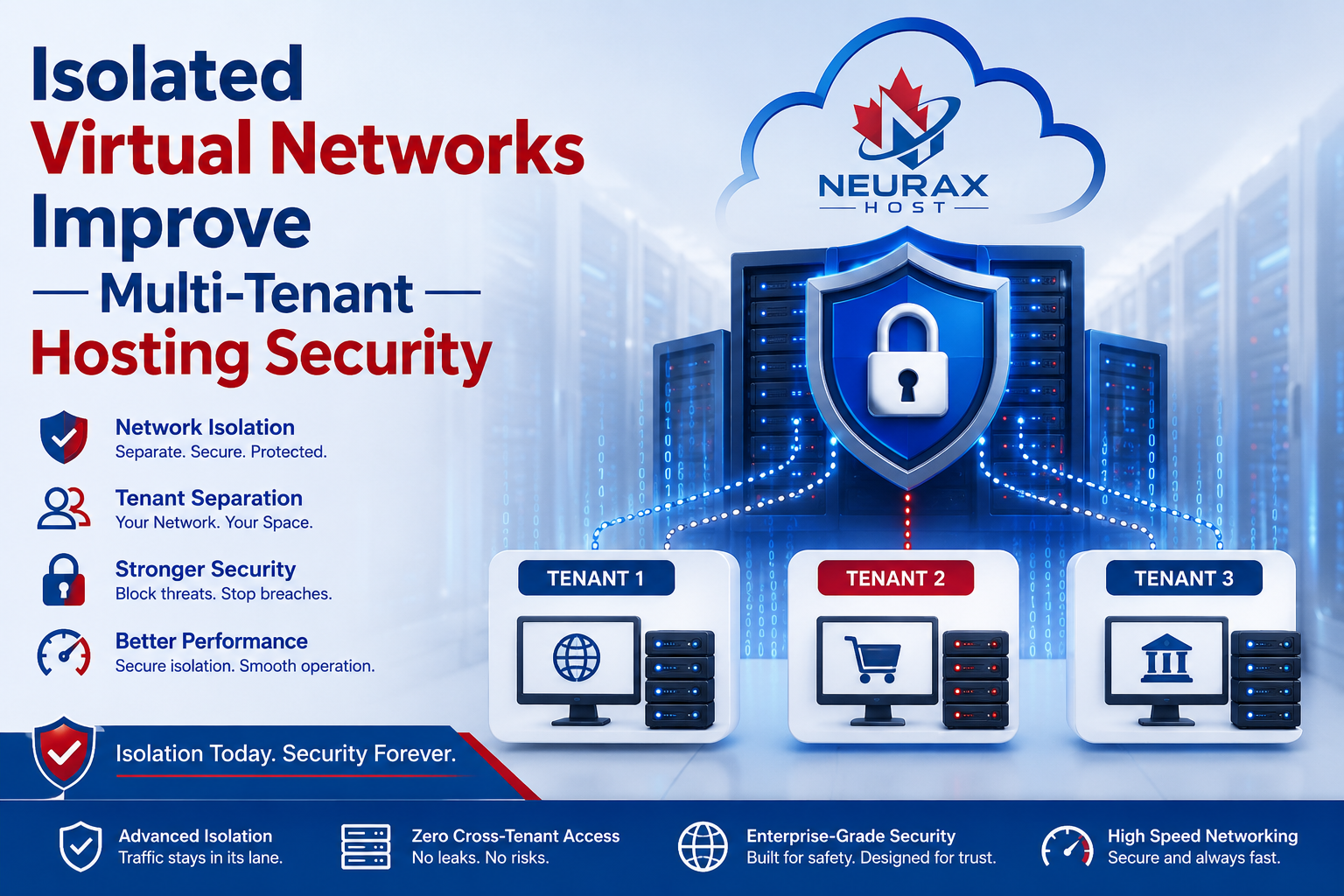
How Isolated Virtual Networks Improve Multi-Tenant Hosting Security
How Isolated Virtual Networks Improve Multi-Tenant Hosting Security Many websites share the same hosting server. This setup is called multi-tenant hosting. It helps businesses save money and use server resources better. However, many website owners ask an important…
GEO Location Caching Issues After a Hosting Migration: Causes and Solutions
Moving a website to a new hosting provider can improve speed, security, and performance. But sometimes, a hosting migration can create a strange problem: your website shows the wrong content based on a visitor’s location. For example, a visitor in Canada may see…
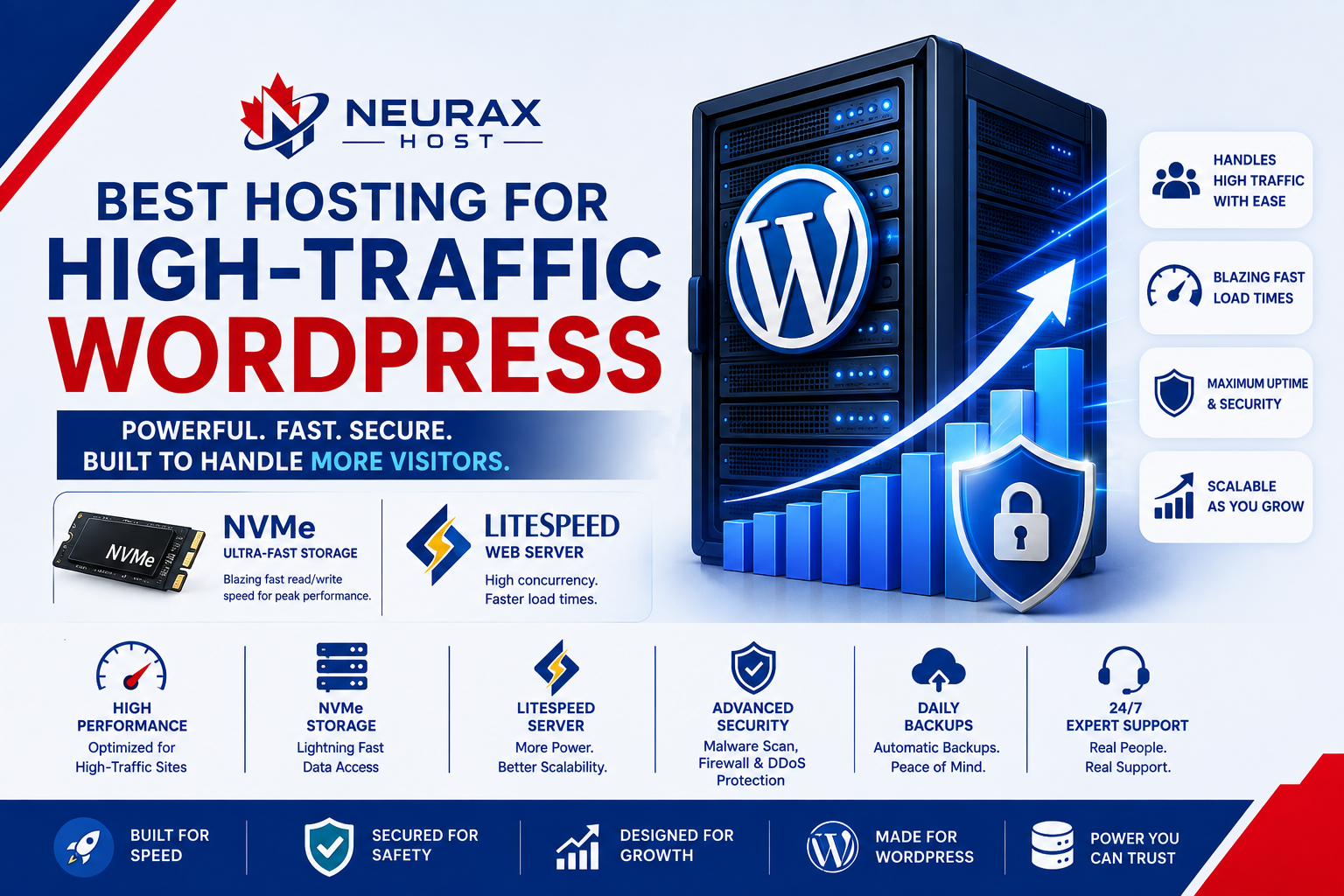
Best Hosting for High-Traffic WordPress Sites with NVMe and LiteSpeed
A WordPress website can grow very fast. A blog may go viral, an online store may get many shoppers, or a business website may receive thousands of visitors every day. More visitors are good for business, but they also put more load on your hosting server. If your…
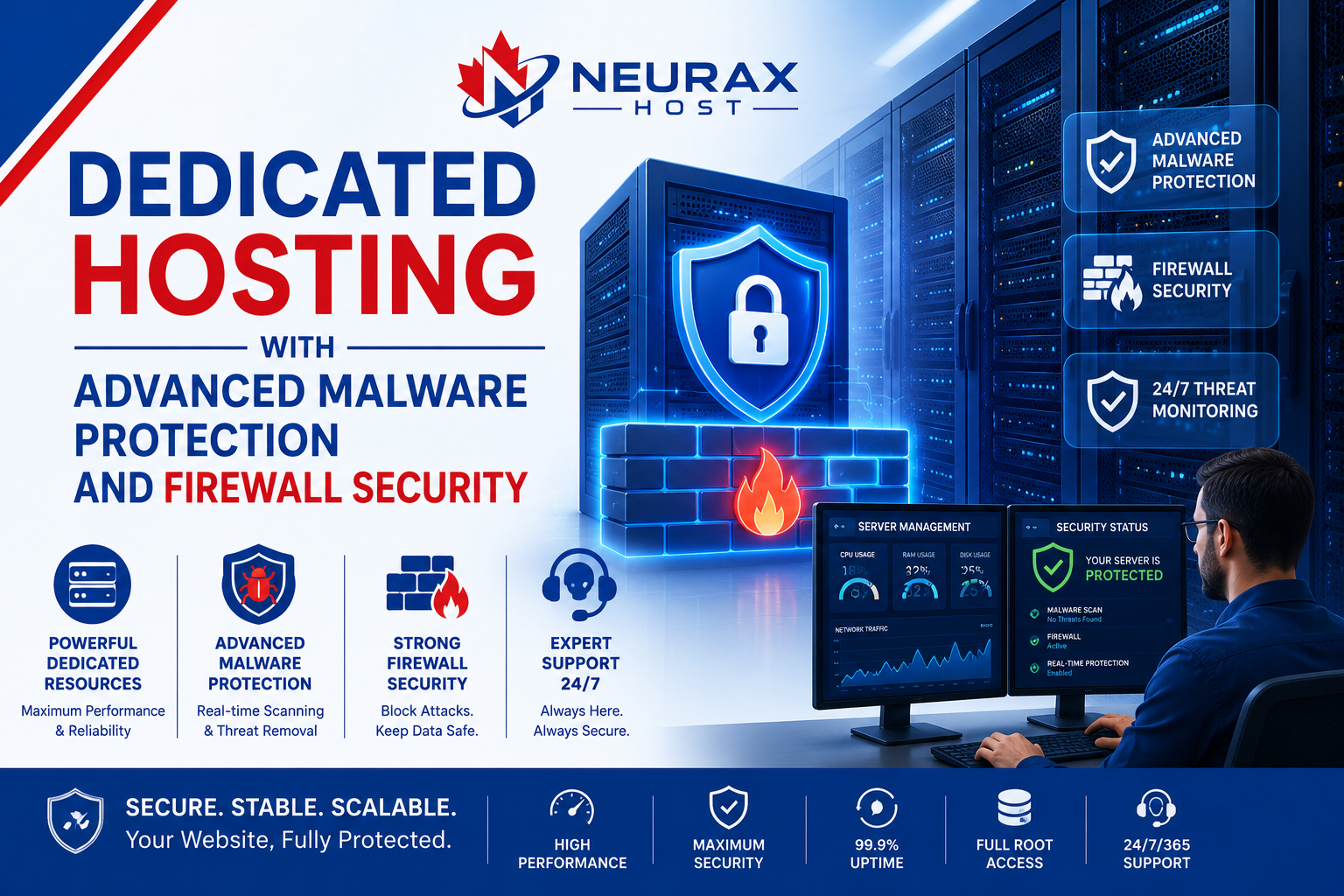
Dedicated Hosting with Advanced Malware Protection and Firewall Security
A website is always under attack. Hackers, malware, bots, and spam try to find weak websites every day. If your website stores customer details, business files, or payment information, security becomes even more important. This is why many businesses choose Dedicated…