
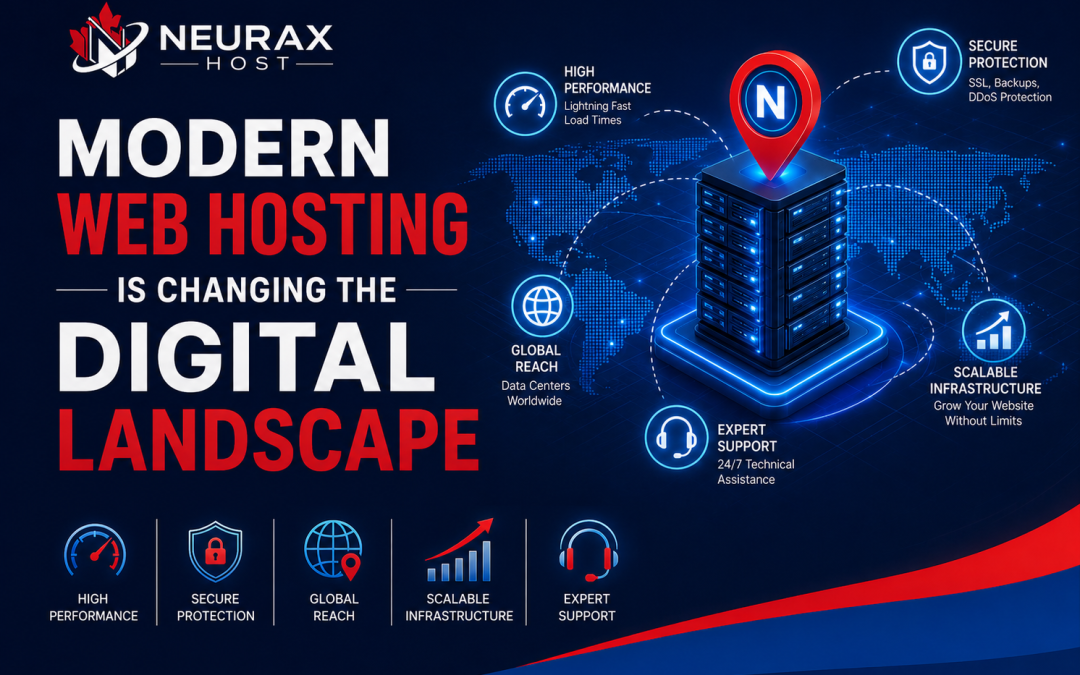
Modern websites need more than basic server space. They need to load fast, stay online, handle visitors, and keep important data safe. A website can now be a complete business tool. It can help people shop, book a service, send a request, make a payment, or contact a company. Because of this, Web Hosting has become an important part of the online experience.
The old way of choosing hosting was simple. People often looked at storage, bandwidth, and price. These things still matter, but they are not enough today. A good hosting setup also needs to support speed, security, reliability, and future growth. The main question is changing from “How much space do I get?” to “How well can my Web Hosting support my website?”
Website Speed Starts With the Right Web Hosting
People expect websites to open quickly. When a page takes too long to load, visitors may leave before they see the content. This can be a bigger problem for online stores, service websites, and business sites where every visitor can be important. Website speed is also part of the overall user experience, so hosting performance should not be ignored.
Web Hosting can affect how quickly a website responds. Modern hosting can use fast storage such as NVMe SSDs, better processors, caching, and reliable network connections. These technologies can help a website handle requests more efficiently. But hosting is only one part of website speed. Large images, too many plugins, heavy scripts, and poor website code can also slow a site down.
This means choosing a powerful hosting plan is not always enough. The website itself should also be optimized. When good Web Hosting works together with a well-built website, visitors can get a faster and smoother experience.
Cloud Hosting Makes Growth Easier
Website traffic does not always stay the same. A business may have normal traffic today and suddenly get many more visitors because of a sale, social media post, new product, or seasonal demand. A fixed hosting setup may not always be the best fit for websites with changing needs.
Cloud hosting gives businesses more flexibility. It can provide resources that can better match changing workloads, depending on how the cloud environment is designed. This can be useful for growing websites, online stores, applications, and other services that may need more resources over time.
Still, cloud hosting is not the right answer for every website. A small business website may work well with a simple hosting plan, while a busy online store may need a more flexible setup. The best Web Hosting choice should match the website's traffic, software, storage, budget, and growth plans.
The goal is not to choose the biggest plan. The goal is to choose the right environment for the work the website needs to do.
Security Is Now a Key Part of Web Hosting
A website needs to be fast, but it also needs to be safe. Businesses may store customer information, contact details, orders, payments, and other important data online. This makes website security an important part of modern Web Hosting.
A strong hosting setup can work with several security layers. SSL/TLS helps protect data moving between a visitor and the website. Firewalls can help filter unwanted traffic. Backups can help a business recover after data loss or a serious website problem. Regular updates, secure passwords, access controls, and monitoring can also reduce common risks.
No single security tool can protect a website from every problem. Good security uses several layers that work together. It should also be treated as an ongoing process rather than a one-time task.
For businesses, this means security should be considered when choosing Web Hosting from the start. Waiting until something goes wrong can make recovery much harder.
Choose Web Hosting Based on Your Website
Every website has different needs. A personal blog may need very few resources, while an online store may need more storage, processing power, database support, and traffic capacity. A web application may have even more demanding requirements.
This is why price should not be the only factor when choosing Web Hosting. Businesses should look at expected traffic, storage, performance, security, backups, support, and scalability. It is also useful to think about future growth. A website that is small today may have more visitors and features later.
A good hosting plan should support the website now without making future growth difficult. At the same time, businesses should avoid paying for resources they do not need. The right choice is about balance.
The best Web Hosting solution is not always the cheapest or the most expensive. It is the one that fits the real needs of the website.
The Future of Web Hosting Is Smarter
The world of Web Hosting is moving beyond basic server space. Modern websites need speed, security, reliability, flexibility, and room to grow. Technologies such as NVMe storage, cloud infrastructure, caching, monitoring, and stronger security can help create a better hosting environment.
But technology alone does not make hosting good. The setup needs to match the website and its users. A small website may need a simple solution, while a growing business may need more powerful and flexible infrastructure.
The real shift is from “How much server space do I get?” to “How well can my Web Hosting support my website?”
That is what modern Web Hosting is really about. Choosing the right hosting environment can help a business build a faster, safer, and more reliable online presence today while creating a stronger foundation for tomorrow.