
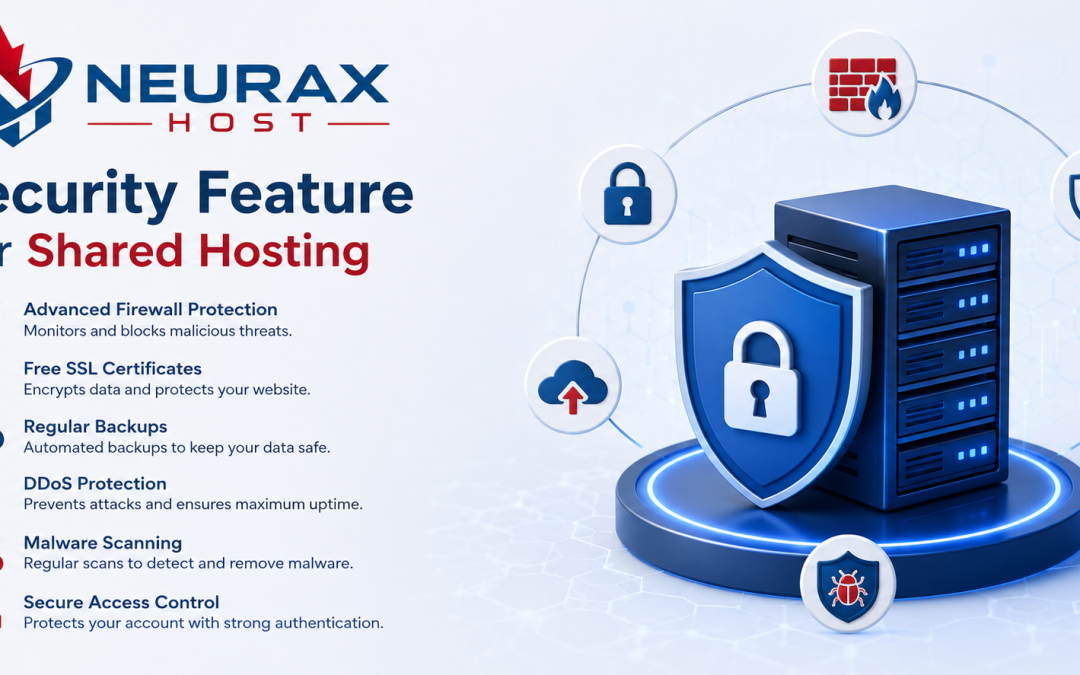
Launching a website is easier than ever, and shared hosting remains one of the most affordable ways to get online. However, many website owners focus on storage, bandwidth, and pricing while overlooking one of the most important factors: security. A low-cost hosting plan may seem attractive at first, but if it lacks essential security features, your website could become vulnerable to malware, data theft, downtime, and other cyber threats.
The question many beginners ask is simple: What security features should you look for in shared hosting? Understanding the answer can help you avoid costly problems later. A secure hosting environment not only protects your website but also helps maintain customer trust, search engine rankings, and business continuity.
This guide explores the most important security features that every shared hosting plan should offer and explains why each one matters.
Why Security Matters in Shared Hosting
Shared hosting works by placing multiple websites on the same server. While this approach reduces costs, it also creates potential security concerns. If one website on the server becomes compromised, nearby websites may face increased risk if proper protections are not in place.
This does not mean shared hosting is unsafe. In fact, many modern hosting providers invest heavily in security technologies. The key is knowing which security features separate a reliable hosting provider from one that offers only basic protection.
Choosing a host with strong security measures can help prevent hacking attempts, malware infections, unauthorized access, and service interruptions.
SSL Certificates for Secure Communication
One of the first security features you should look for is a free SSL certificate. SSL encrypts data transferred between your website and visitors, preventing sensitive information from being intercepted. Without SSL protection, login credentials, contact form submissions, and customer details can become vulnerable during transmission.
Most quality hosting providers now include SSL certificates at no additional cost. This security feature also improves visitor confidence because browsers display a secure padlock icon when SSL is active. Beyond security, HTTPS encryption has become an important factor for search engine visibility and user trust.
Account Isolation Technology
One of the biggest concerns in shared hosting is resource sharing. If accounts are not properly separated, a security issue affecting one website could potentially impact others on the same server.
Modern hosting providers address this challenge through account isolation technology. This system creates boundaries between websites, ensuring that each account operates independently.
When evaluating hosting plans, look for providers that mention:
- Account isolation
- Container-based environments
- CloudLinux technology
- User-level resource separation
These technologies help prevent cross-account contamination and improve overall server security.
Malware Scanning and Detection
Malware can damage your website, steal information, and negatively affect search rankings. Unfortunately, many website owners do not realize they have been infected until significant damage has already occurred. A quality shared hosting provider should include automated malware scanning tools that continuously monitor files and website activity.
These systems help identify:
- Suspicious file modifications
- Malicious scripts
- Unauthorized uploads
- Hidden malware infections
Early detection allows website owners to take action before a small issue becomes a major problem.
Comparing Common Shared Hosting Security Features
The following table highlights how different security features contribute to overall website protection.
| Security Feature | Primary Purpose | Protection Level | Benefit to Website Owners |
| SSL Encryption | Secure data transfer | High | Protects visitor information |
| Account Isolation | User separation | High | Prevents neighboring account risks |
| Malware Scanning | Threat detection | High | Identifies infections early |
| Firewall Protection | Traffic filtering | Very High | Blocks malicious requests |
| Automated Backups | Data recovery | High | Restores websites after incidents |
| Two-Factor Authentication | Login protection | Very High | Reduces unauthorized access |
| DDoS Mitigation | Traffic attack defense | High | Improves uptime stability |
Rather than relying on one feature, effective security comes from combining multiple protective layers.
Web Application Firewall (WAF)
A Web Application Firewall acts as a protective shield between your website and incoming traffic. It filters requests and blocks suspicious behavior before it reaches your website.
A WAF can help defend against common threats such as:
- SQL injection attacks
- Cross-site scripting attempts
- Automated bot activity
- Brute-force login attacks
Without firewall protection, malicious traffic reaches your website directly, increasing the likelihood of security incidents.
Many premium shared hosting providers now include firewall protection as a standard feature, making it an important factor when comparing hosting plans.
Automated Backup Systems
Even the most secure websites can experience unexpected problems. A plugin update may fail, a file could become corrupted, or a successful attack might require restoration. That is why automated backups are essential.
Reliable shared hosting providers should perform regular backups and make restoration simple. Ideally, backups should occur daily and be stored separately from the primary server environment.
When reviewing hosting plans, check:
- Backup frequency
- Retention period
- Ease of restoration
- Additional backup costs
A strong backup system can significantly reduce downtime and data loss.
DDoS Protection and Traffic Filtering
Distributed Denial of Service (DDoS) attacks attempt to overwhelm servers with massive volumes of traffic. These attacks can slow down or completely disable websites. Although large organizations are common targets, smaller websites are not immune.
Hosting providers that include DDoS protection use specialized systems to detect abnormal traffic patterns and filter harmful requests before they affect server performance. Effective DDoS protection improves uptime, reliability, and website availability during unexpected traffic surges.
Two-Factor Authentication for Account Security
Many security breaches occur because attackers gain access to hosting accounts through stolen passwords. Two-factor authentication adds an additional verification step during login. Even if someone obtains your password, they cannot access your account without the second verification factor.
This feature is especially important for:
- Hosting control panels
- Administrative dashboards
- Email accounts
- Billing systems
Two-factor authentication significantly reduces the likelihood of unauthorized access.
Server Monitoring and Security Updates
Cyber threats evolve constantly, which means security cannot remain static. Hosting providers must actively monitor servers and apply updates regularly.
Continuous monitoring allows providers to identify:
- Unusual server activity
- Resource abuse
- Emerging vulnerabilities
- Potential attacks
Regular updates ensure operating systems, web servers, and software components remain protected against newly discovered threats. A hosting company that neglects updates increases risk for every website on its servers.
Secure Email Protection
Email security is often overlooked when evaluating hosting plans. However, compromised email accounts can lead to phishing attacks, spam distribution, and account takeovers.
Look for hosting providers that offer:
- Spam filtering
- Email malware scanning
- Secure authentication protocols
- Email encryption support
Protecting email accounts is just as important as protecting the website itself.
Resource Monitoring and Abuse Prevention
Some websites consume excessive server resources due to poor optimization or malicious activity. Without proper monitoring, this can negatively affect neighboring websites.
Advanced hosting providers use resource monitoring tools that:
- Detect abnormal usage
- Prevent resource abuse
- Isolate problematic accounts
- Maintain server stability
These systems help ensure consistent performance while reducing security risks associated with overloaded servers.
Security Support and Incident Response
Technology alone cannot solve every security challenge. When issues occur, responsive technical support becomes extremely important.
A secure hosting provider should offer:
- 24/7 support availability
- Security incident assistance
- Malware removal guidance
- Rapid response to threats
Fast support can dramatically reduce the impact of security incidents and help restore normal operations quickly.
Questions to Ask Before Choosing a Shared Hosting Provider
Before purchasing a hosting plan, ask a few important questions:
- Does the plan include free SSL certificates?
- Are automated backups provided?
- What malware detection systems are available?
- Is account isolation implemented?
- Does the provider offer firewall protection?
- Are security updates handled automatically?
- What happens if a website becomes infected?
The answers can reveal a great deal about the provider’s commitment to security.
Choosing shared hosting based solely on price can be a costly mistake if security is ignored. Modern cyber threats target websites of all sizes, and even small businesses can experience serious consequences from inadequate protection.
The best shared hosting providers combine multiple layers of security, including SSL certificates, malware scanning, account isolation, firewalls, backups, DDoS protection, and continuous monitoring. Together, these features create a stronger defense against common threats while improving website reliability.
When evaluating hosting options, think beyond storage space and bandwidth. A hosting plan with robust security features provides greater peace of mind, protects your website’s reputation, and helps ensure long-term success online.