
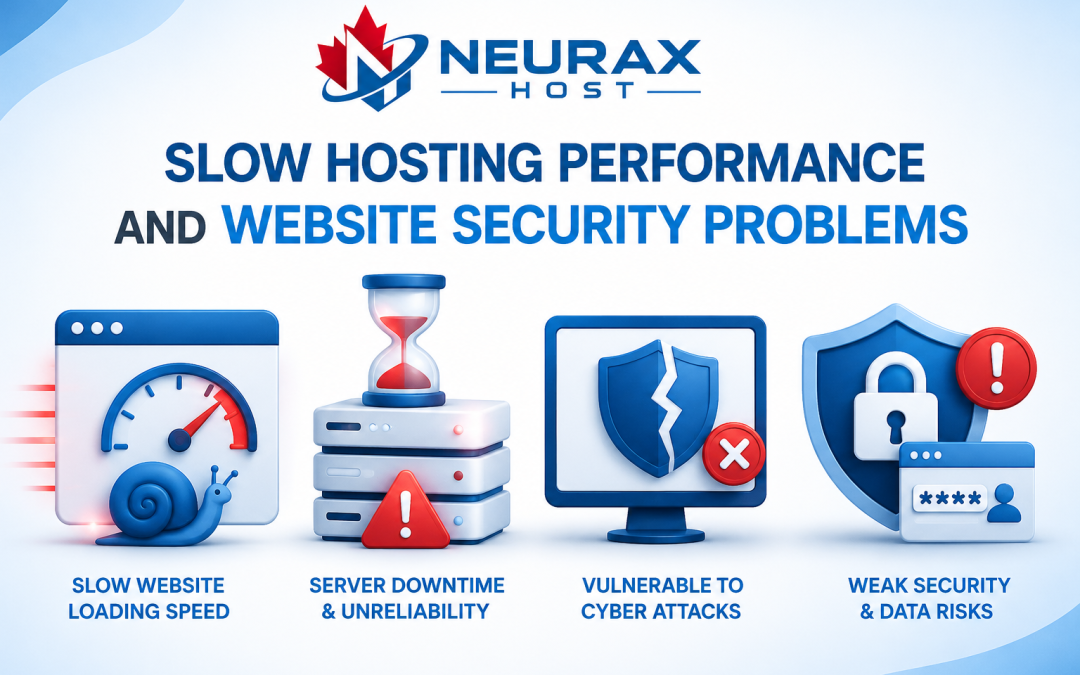
A slow website is not always just a speed problem. Many website owners think slow loading happens because of large images, poor design, or too many plugins. But the real issue can be hidden deeper inside your hosting environment. Slow hosting can create security weaknesses that put your website, customer data, and online reputation at risk. When your server struggles, attackers may find opportunities to exploit outdated systems, weak protection, and poor resource management. Understanding the link between website performance and server security can help you protect your business before problems become expensive.
Problem |
How It Affects Your Website |
| Slow hosting | Increases loading time and reduces user trust |
| Weak server security | Creates opportunities for malware and attacks |
| Poor website performance | Can lower SEO rankings and conversions |
How Slow Hosting Can Create Security Risks
Your hosting server is the foundation of your website. When the foundation is weak, everything connected to it can suffer. Slow hosting often means your server has limited resources, outdated technology, or poor security management.
A slow server may delay important security tasks like malware scanning, software updates, and threat detection. If security systems cannot respond quickly, attackers may have more time to target vulnerabilities. For example, if your hosting environment does not update security patches regularly, hackers can take advantage of old software weaknesses. A website may appear normal from the outside while hidden threats are running in the background.
This is why website speed and protection should not be treated as separate issues. A strong hosting solution improves both performance and security.
The Warning Signs You Should Never Ignore
Many website owners wait until their website is completely down before taking action. This delay can increase damage. Slow performance is often an early warning sign that something is wrong.
Common signs include:
- Pages taking too long to load
- Frequent website downtime
- Unexpected server errors
- Sudden traffic slowdowns
- Unknown files appearing on your website
- Increased CPU or memory usage
These problems may indicate poor server resources, malware activity, or security attacks.
A slow website can also damage customer confidence. Visitors expect fast and secure experiences. If your website loads slowly or shows errors, users may leave and choose a competitor instead.
The Connection Between Website Performance and Server Security
Website performance depends on many factors, including server speed, storage technology, database optimization, and security systems.
A secure hosting environment uses tools like:
- Malware protection
- Firewall monitoring
- Automatic security updates
- Server-level threat detection
- Regular backups
When these systems work properly, they help maintain faster and safer website operations.
However, low-quality hosting services often place many websites on overloaded servers. This can reduce website performance and increase security risks. Shared resources, weak isolation, and limited monitoring can make websites more vulnerable. Premium hosting providers focus on better server infrastructure, advanced security features, and optimized resources. This creates a safer environment where websites can perform at their best.
How To Fix Slow Hosting and Improve Website Security
The solution is not always changing your website design. Sometimes, the biggest improvement comes from upgrading your hosting environment.
Here are practical steps to improve both speed and security:
1. Choose Reliable Hosting Resources
A hosting plan with better CPU, RAM, and storage performance can improve website speed. Modern solutions like NVMe storage and optimized server technology help websites handle more visitors smoothly.
2. Use Strong Security Protection
Your hosting should include security features like malware scanning, firewalls, SSL protection, and automatic updates. These tools reduce the chance of attacks.
3. Keep Your Website Updated
Outdated plugins, themes, and software are common entry points for hackers. Regular updates help close security gaps.
4. Monitor Server Performance
Tracking server usage helps identify problems before they become serious. Performance monitoring can reveal unusual activity, resource spikes, or possible attacks.
Why Waiting Can Cost Your Business More
A slow and unsecured website creates a dangerous combination. Poor website performance can reduce sales, hurt search rankings, and frustrate visitors. Security problems can lead to stolen data, malware warnings, and reputation damage. For businesses, the cost of fixing a hacked website is often much higher than investing in secure hosting from the beginning.
Search engines also consider website experience important. Slow loading times can affect user engagement, while security warnings can reduce organic traffic. A fast and secure website builds trust. It shows customers that your business values reliability, safety, and quality.
Build a Faster and Safer Online Future
The connection between slow hosting, server security, and website performance is stronger than many people realize. A slow website may be the first sign of deeper hosting problems. Ignoring these warning signs can leave your website open to security threats. Choosing a powerful hosting environment with strong protection, optimized resources, and reliable monitoring can prevent many issues before they happen.
Your website is not just a digital page; it is an important part of your business. Investing in secure and high-performance hosting helps you deliver a faster experience, protect valuable data, and stay ahead of online threats. The right hosting solution does not just improve speed—it creates a stronger security foundation for long-term growth.