Your website may look safe when you open it. Your pages may load, your forms may work, and your customers may visit without any trouble. But that does not mean your website has no security risks.
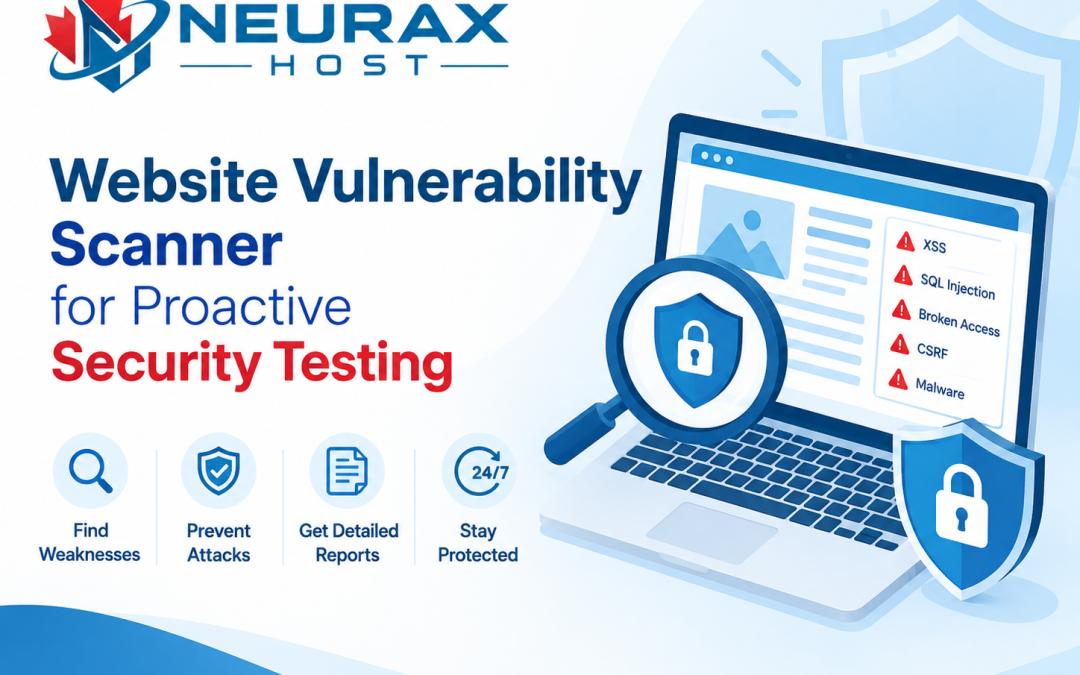
Small problems can stay hidden for a long time. A broken link, old software, weak security header, or unsafe script can create a door for attackers. This is why a website vulnerability scanner can be useful. It checks your website for common problems and helps you find risks before they become bigger issues. You do not need to be a security expert to start. Even one scan can show you problems that you did not know were there.
Start With a Full Website Vulnerability Scan
The first step is simple: run a scan of your website. A good scanner can check many parts of your site in one place. It may review your pages, links, technical setup, security settings, and hidden code.
This is helpful for small business owners because you may not have a security team watching your website every day.
A full-site page audit can look at:
- SEO titles and meta tags
- Headings and alt text
- Broken links
- Website performance
- DNS settings
- Technology used by the site
- Accessibility problems
- Security headers
- TLS settings
- Known security issues
- Hidden iframes
- Obfuscated scripts
- Spam or unwanted content
Think of the scan like a health check for your website. You may feel fine, but a checkup can still find a problem early.
Use SEO Analysis to Find More Than Search Problems
SEO analysis is not only about getting higher rankings. A website scanner can check titles, meta tags, headings, alt text, and full-site pages. These checks can show pages that need attention. For example, a page may have no useful title. An image may have no alt text. A heading may be missing or used in the wrong way.
These issues may not mean your website has been hacked. But they can make the site harder for people and search engines to understand. A scanner can help you create a list of pages that need fixing.
This is one reason a website scan can be useful even when you are mainly worried about security. You may find several website problems at the same time.
Check DNS, Technology, Accessibility, and Broken Links
Your website has many technical parts working behind the scenes. A technical analysis can check things that are easy to miss. This may include DNS information, the technology used on your website, accessibility, broken links, and page performance.
Why does this matter?
An old technology component may need an update. A broken link can hurt the user experience. A slow page can make visitors leave. An accessibility issue may stop some people from using your site easily. You may not notice these problems during normal browsing because you already know how your website works.
A scanner looks at the site from another angle. The goal is not to make you worry. The goal is to give you clear problems to fix.
Review Security Headers, TLS, and Known CVEs
Now comes the security part. A website vulnerability scanner can check security headers, TLS settings, blacklist status, email spoofing risk, and known CVEs. A CVE is a known security weakness in software or technology. If your website uses an old component with a known weakness, it may need attention.
Security headers can also help protect visitors and your website from some common attacks. The scanner may give you a risk score or warnings. Do not ignore these results.
Start with the problems marked as high risk. Then work through the medium and low-risk items. If you do not understand a warning, ask your developer or security professional to review it. Fixing the right problem is better than guessing.
Look for Malware, Hidden Iframes, and Spam
Sometimes a website can be changed without the owner noticing right away. This is where malware analysis can help. A scanner may look for hidden iframes, obfuscated scripts, defacement, spam injection, and other signs of unwanted changes.
For example, you may have a normal business website, but an attacker could add hidden code or unwanted pages. Your website may still open normally, so you may not see the problem yourself. A malware scan gives you another way to look for these hidden issues.
If a scanner finds something suspicious, do not panic. Save the scan report and have a trusted developer or security expert investigate it. Early action can help stop a small problem from becoming a much bigger one.
Track Total Scans, Risk Score, and Scheduled Checks
One scan is a great start. Regular checks are even better. Some website security tools let you track total scans, sites monitored, average risk score, and active scheduled scans. These numbers can help you see your website security over time.
For example, if your risk score goes down after you fix several problems, that is a good sign. If the score suddenly gets worse, you can investigate what changed.
Scheduled scans are useful because websites change often. You may add a plugin, install new software, change a page, or update your hosting setup. A problem may appear after one of these changes. Regular scanning helps you find issues sooner.
Why Every Business Owner Should Scan Their Website
You may think, “My website is small, so hackers will not care about it.” That is a risky assumption. Small business websites can still have weak passwords, old software, unsafe plugins, poor security settings, or hidden malware.
You also do not need to wait until your website is hacked to check it. A proactive security test is like locking your doors before leaving home. You do it because prevention is easier than dealing with a break-in. You do not have to become a cybersecurity expert.
Start With One Scan
Read the report. Fix the most important problems. Then scan again. That simple habit can help you understand your website better and reduce avoidable security risks. Your website works hard for your business. Give it a basic security check before a problem gives you a reason to wish you had.